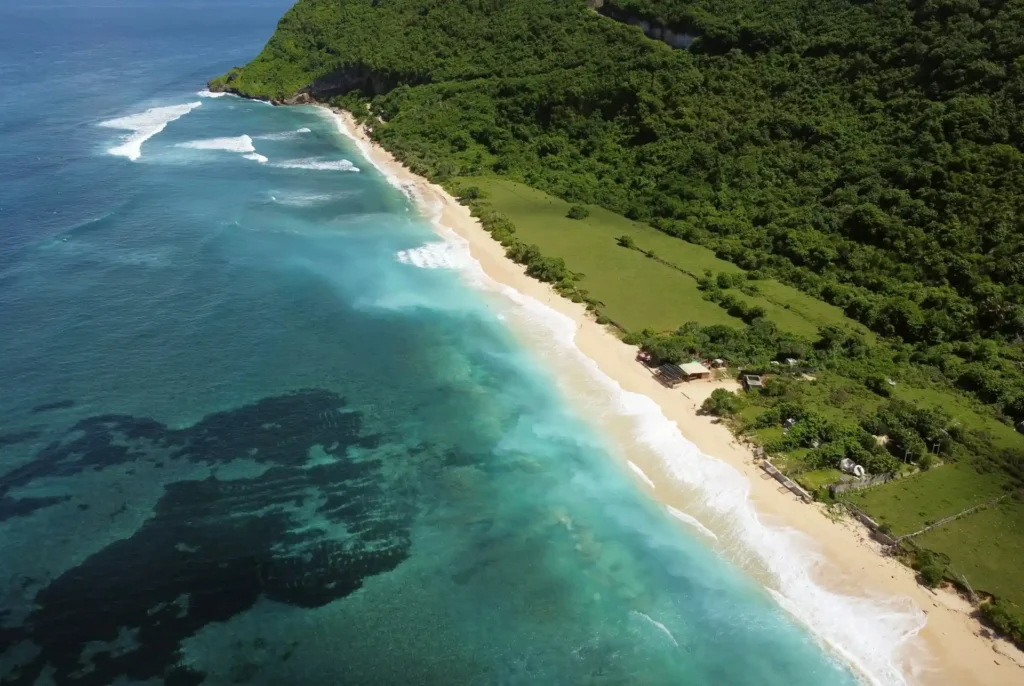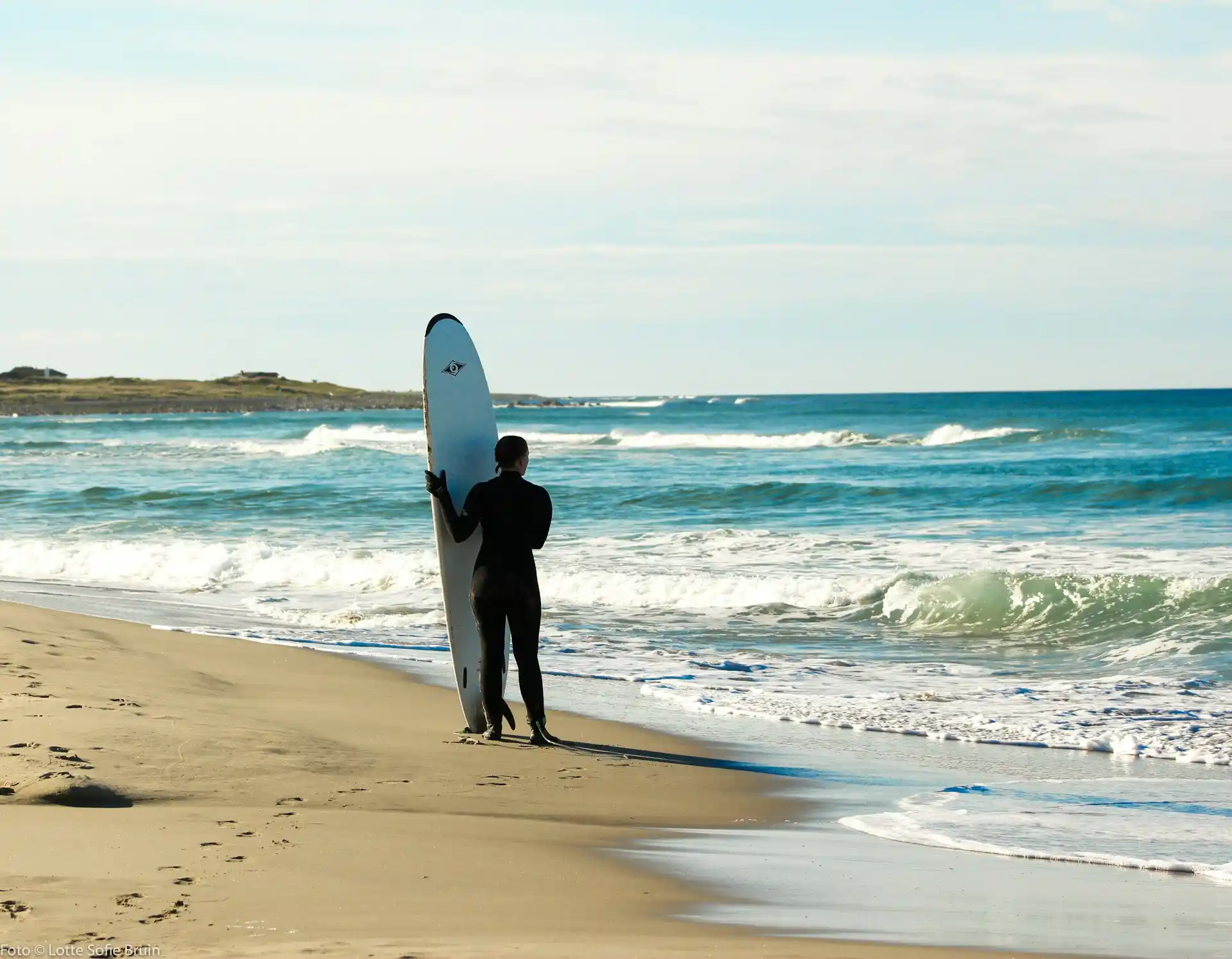
Bali is famous for warm water, consistent swell, and a coastline filled with surf breaks for different levels. But if you are planning a surf trip, understanding the Bali surf season can make a big difference to where you stay, which breaks you visit, and what kind of waves you are likely to find.
Bali generally has two main seasons: the dry season from around April to October and the wet season from around November to March. For surfers, however, the biggest difference is not simply how much it rains. Changing wind direction means different sides of the island tend to offer cleaner conditions at different times of year.
The good news is that Bali can be surfed throughout the year. You simply need to know which coast to explore.
Understanding the Bali Surf Season
Indonesia has a tropical climate shaped by monsoon patterns. Although the exact beginning and end of each season can vary from year to year, Bali broadly experiences a drier period from April to October and a wetter period from November to March. BMKG also notes that the start of a season can occur earlier or later than its long-term average.
For surfing, these seasonal changes affect wind direction, swell exposure, wave size, and surf quality.
A simple way to remember the Bali surf calendar is:
- April to October: West coast and Bukit Peninsula
- November to March: East coast and Nusa Dua
- March to May and September to November: Transition periods with more variable winds and opportunities across both coasts
That does not mean the opposite coast becomes completely unsurfable. Conditions change daily, so swell direction, tide, local wind, and the individual surf break should always be checked before paddling out.
Bali Dry Season: April to October
The dry season is the best-known Bali surf season, particularly for the waves around the Bukit Peninsula.
Southeast trade winds typically become established during this period. These winds are favourable for many of Bali’s west-facing breaks, helping create cleaner wave faces around areas such as Uluwatu, Bingin, Impossibles, and Balangan.
Where to Surf During the Dry Season
The Bukit Peninsula becomes one of the main destinations during these months. Popular surf areas include:
Uluwatu
One of Bali’s most iconic surf areas, with several sections that work under different swell and tide combinations. It is generally better suited to experienced surfers when conditions become powerful.
Bingin
Known for fast, hollow reef waves when the right swell arrives. The reef and take-off zone make it more appropriate for confident surfers.
Balangan
Its long left-hand waves can offer good opportunities for intermediate and advanced surfers depending on swell size.
Padang Padang
The famous Padang Padang Left becomes particularly powerful during larger dry-season swells and is an advanced wave rather than a beginner surf spot.
June, July, and August often coincide with stronger Indian Ocean swell activity, making this period especially attractive to experienced surfers looking for bigger waves.
However, bigger surf also means beginners should choose their breaks carefully rather than assuming peak surf season is automatically the best time to learn.
Bali Wet Season: November to March
Rain does not mean the end of surfing in Bali.
During the wet season, prevailing winds tend to shift towards the west and northwest. While that can make some west-coast breaks less favourable, the same wind direction can produce cleaner offshore conditions at east-facing surf spots.
Instead of stopping for the season, Bali’s surf scene effectively moves to another part of the island.
Where to Surf During the Wet Season
Keramas
One of Bali’s best-known east-coast waves, Keramas offers powerful right-handers and can produce excellent conditions during the wet season. It is primarily suited to experienced surfers when the swell increases.
Nusa Dua
The Nusa Dua coastline contains several reef breaks, providing options for different swell sizes and ability levels. Conditions still need to be assessed carefully, particularly around shallow reefs.
Sanur
Sanur and its surrounding reefs become another option when wet-season winds favour Bali’s east coast. Some breaks require considerable experience.
Wet-season swells can often be smaller than the largest dry-season swells, but there are still plenty of quality surfing days. Rainfall and wind can also change quickly, making a flexible daily surf plan useful.
What About Bali’s Transition Months?
For many surfers, the transition periods can be particularly interesting.
Around April and May, the dry-season pattern begins to establish, while September, October, and sometimes November can bring lighter or more variable winds as seasons change. These conditions can occasionally open opportunities on several parts of the island rather than strongly favouring one coast.
These months can be useful for intermediate surfers who want more flexibility when exploring Bali’s different surf regions. They may also fall outside the busiest weeks of the traditional mid-year holiday period, although crowd levels still vary considerably by location and day.
What Is the Best Bali Surf Season for Your Level?
There is no single best month for every surfer.
Beginners
Beginners can learn throughout the year, provided they choose a suitable break and conditions. Smaller waves, softer whitewater, sandy bottoms where available, and professional instruction are more important than chasing the biggest swell.
Shoulder months such as April, May, October, and November can provide plenty of opportunities, but daily conditions should always guide the final choice.
Intermediate Surfers
Intermediate surfers often benefit from the flexibility of the transition months. Lighter winds can create opportunities across several surf areas, while there may still be enough swell for practising turns, positioning, and wave selection.
Advanced Surfers
For experienced surfers chasing powerful reef waves, June to August is one of the main windows to consider. Larger dry-season swells can activate breaks around Uluwatu, Bingin, and Padang Padang. During the wet season, advanced surfers can shift their attention towards waves such as Keramas and other east-coast reefs.
Always Check the Daily Surf Conditions
Knowing the Bali surf season gives you a useful starting point, but it should never replace checking daily conditions. Swell height and direction, wave period, wind, tide, reef depth, and local conditions can completely change a surf break from one day to the next. A normally manageable spot can become significantly more challenging when a larger swell arrives.
If you are unfamiliar with a break, speak to a local surf guide or instructor before entering the water.
Final Thoughts
The best Bali surf season depends on what kind of waves you want to surf. April to October generally favours the west coast and Bukit Peninsula, while November to March shifts more attention towards Bali’s east coast and Nusa Dua. Transition months can offer additional flexibility for surfers willing to follow the conditions.
Rather than planning your trip around one famous break, think about your ability level, preferred wave size, and which coast is likely to have favourable winds during your stay.
And if you want to spend more of your Bali trip surfing rather than trying to figure out where to paddle out each morning, Flow State Bali can help you experience Bali’s waves with guidance suited to your level and the conditions of the day.